
Effects of exercise on both leaves
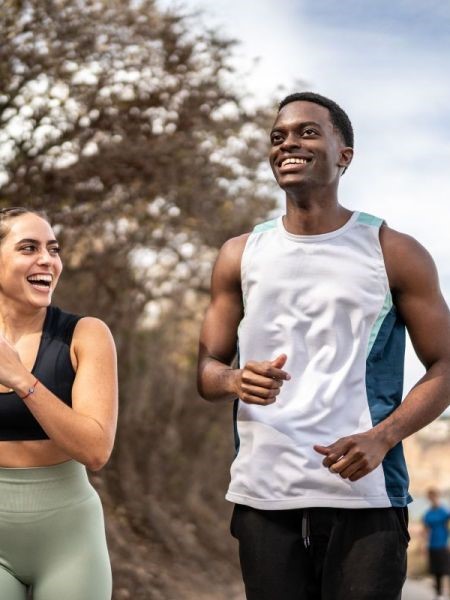
Chronic exercise has different effects on physical fitness and obesity in both sexes. Researchers believe this difference stems from the response of the hypothalamus, which contains leptin receptors. The hypothalamus is responsible for regulating stress and food intake. For example, a higher percentage of women are obese than men, regardless of exercise type. That is, even if women and men exercise for the same number of hours per week, the results may not always be the same, but they are likely to differ. The exact cause of this problem has not been scientifically proven, but experts continue to study and experiment. In any case, both men and women who want to be in good shape need to eat properly and exercise systematically. Men who exercise have better results than women. A study conducted at the University of Colorado examined the relationship between diet and exercise using mice. In this study, researchers fed both male and female mice a high-fat diet and trained them to run on a treadmill. After 10 weeks, researchers measured the mice’s weight again and measured the effects of exercise on their weight. Male mice that ran on the treadmill were compared to non-exercisers. The mice that exercised lost significantly more weight, while female mice, regardless of whether or not they exercised, had similar weights. Scientists believe the differences between female and male mice stem from the hypothalamus. and it influences both genders in the same way. However, exercise has numerous benefits, not only for physical appearance but also for a person’s health. For this reason, experts recommend that both men and women exercise regularly, starting at a young age to allow their bodies to adapt and respond appropriately.
What should you eat after an injury?
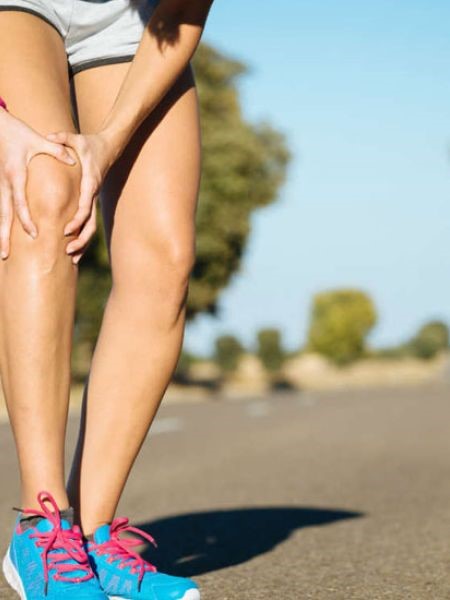
What to eat after an injury? Physical injuries can be caused by minor things, such as a misstep leading to a fall, or a misstep during exercise… Injuries are a part of life and cannot always be avoided. But how can we help our bodies recover? And what role does nutrition play? How to help our bodies recover with nutrition after an injury? It’s reasonable to assume that after an injury, when we move less, we should eat less. However, our bodies require 15% to 50% more calories, depending on the type and severity of the injury. It’s important to pay attention to the foods we eat to maximize the benefits. Protein = Maximum Need Protein is key to healing injuries, so it’s important to eat more protein. Divide your protein intake evenly throughout the day to meet your needs. Approximately 20 grams of protein per meal is ideal, especially foods that contain leucine, an amino acid that builds muscle. Examples include dairy products, beef and poultry, eggs, and nuts. Calcium is particularly important. We get it from dairy products and cheese. Calcium contributes to healthy bones and also aids in other bodily processes related to wound healing. Vitamin C is a crucial nutrient. Because they help boost collagen production, fruits and vegetables are essential in your daily diet while you’re dealing with an injury. Try to include them in every meal, including every snack. Finally, avoid alcoholic beverages, as they slow healing and burden the body. Are there any foods that help relieve pain? Thankfully, yes. Let’s explain… Sour cherry juice can help, as it contains anthocyanins, a powerful antioxidant that fights inflammation that causes pain. Berries contain polyphenols, phytochemicals that can combat muscle soreness. Similar to beetroot and pomegranate juice, ginger, saffron, and turmeric are excellent spices for our diet and contain anti-inflammatory and pain-relieving compounds. Ginger is also great for making tea. Furthermore, reducing sugar intake can significantly reduce inflammation. Finally, fish like salmon, tuna, and sardines contain omega-3 fatty acids, which have powerful anti-inflammatory properties. Omega-3s are also found in plant-based foods like chia seeds, hemp seeds, and flaxseeds. Don’t forget that you also need additional nutrients to support your immune system and maintain good gut health. Foods rich in zinc, a trace element that we don’t often talk about but plays an important role in our health, are also important. They help support our immune system. Found in beans, chickpeas, and beef, the probiotics found in yogurt can help support our gut. Great recovery! Written by: Diakos Thodoris Editor – Journalist Source: iatronet.gr
Foods high in resistant starch
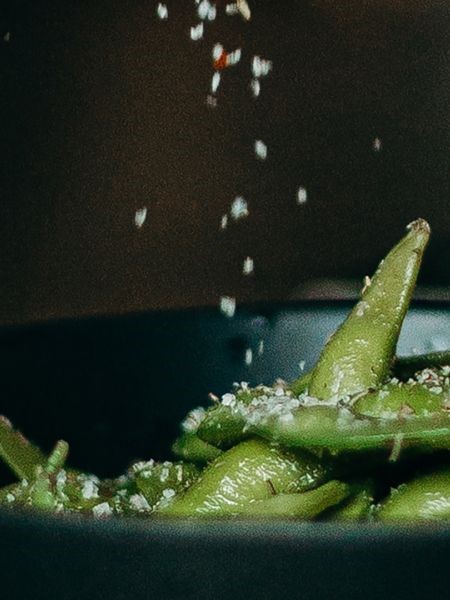
Resistant starch is one of the best carbohydrates we can eat, but where do we find it? Most carbohydrates we eat, such as pasta, cereals, and potatoes, are starches. Some starches take longer to digest, hence the name resistant starch. Although resistant starch is not commonly found, it is important to get enough of it. Furthermore, these starches are destroyed by cooking, so it’s best to eat them in their natural form as possible. Overcooking or boiling them is not a good idea. However, some of these foods may regain their starch if they cool before eating. Some of the benefits of resistant starch include improved blood sugar control and insulin resistance, while some research suggests that foods rich in resistant starch may play a role in colon cancer prevention. But where do we find them? OatsOatmealOatmeal is one of the easiest ways to add resistant starch to your diet. 100 grams of cooked oats contains over 3.5 grams of starch, along with a healthy dose of antioxidants. Cook oats the night before, refrigerate, and enjoy them for breakfast with fruit and nuts to keep you energized until lunch. Other whole-grain oats include rye and wheat. Similarly, RiceWhat would our world be like without rice? Rice is one of the cheapest, tastiest, and most convenient ways to add resistant starch to our diet. Here, we recommend cooking the rice and letting it cool. Furthermore, rice is easy to eat cold without sacrificing its flavor. Brown rice is a good choice, as it contains more fiber and trace elements like magnesium. Beans and Other Legumes: 100 grams of legumes contain 1-5 grams of resistant starch, along with significant fiber and essential plant protein. Edamame, black beans, red beans, lentils, fava beans, and peas are all good sources. Fava beans, in particular, contain the highest amount of resistant starch, with 7-12 grams per 100 grams. Raw Potato Starchis readily available in health food stores. It appears as a white, flour-like powder. Many people use it as a flour substitute for gluten-free bread or as a thickener in soups. However, the best way to avoid starch damage during cooking is to add raw potato starch to fruit smoothies. This improves the texture, adds nutritional value, and is more satisfying. We don’t need to consume more than 1-2 tablespoons of this little-known superfood per day. PotatoesWe don’t like French fries when they’re cold, but this isn’t a message to eat them. If we boil them and let them cool, we can make the perfect potato salad, which contains a lot of hard-to-digest starch. Don’t forget to add a little olive oil to the salad, which helps the body absorb the nutrients more easily. Written by: Diakos ThodorisEditor – Journalistiatronet.gr
Runners and Summer: Swimming increases endurance and natural recovery.
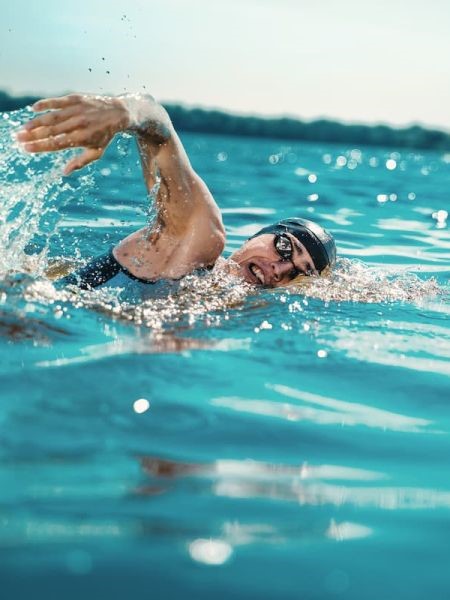
Summer doesn’t mean taking a break from training; it means smart adaptation. High temperatures and humidity can often make long-distance running difficult or even dangerous. That’s where swimming comes in. It’s not just a pleasant vacation, it’s also a valuable ally for runners. Why combine swimming and running? Swimming is not only refreshing, but also a high-quality workout that improves cardiovascular endurance, works nearly every muscle group, and most importantly, unlike running, it’s a relaxing workout that doesn’t stress your joints. This is crucial for injury prevention and recovery from intense training programs. Benefits of Swimming for Runners Strengthening Core and BreathingSwimming requires a stable core and proper breathing control, skills that directly impact running technique and endurance. Developing Endurance Without StressThe aerobic properties of swimming enhance cardiovascular function, making it ideal for “active recovery” or “cross-training” days. Mental Stress ReliefThe feeling of freedom in the water and the tension-free feel of asphalt are incredibly relaxing. And remember, the sea is a natural “antidepressant.” Agility and FlexibilityWater resistance increases flexibility and functional movement, allowing for a more natural gait and reducing the risk of injury. How to Incorporate It into Your Schedule If you’re a runner, you don’t need to change your running style, but you should strategically incorporate it. Use swimming as a mid-distance recovery day. Go for a short run in the morning, and relax with a leisurely swim or a few laps in the pool in the afternoon. Try water jogging, which is great for injury recovery. The sea is a natural gym. In Greece, especially, we’re fortunate to have access to beautiful coastlines. Taking advantage of the sea, whether it’s swimming, stretching, or just taking a leisurely stroll along the shore, is one of the most natural and enjoyable ways to exercise during the summer. Conclusion: If you love running, try swimming. It’s not the only option, but it’s the best summer supplement to help you get in shape, recover, and, why not, help you run better. Written by: Karagianni Olympia – Graduate of the Department of Physical Education and Sports Sciences, Aristotle University of Thessaloniki
Olympia Caragianni
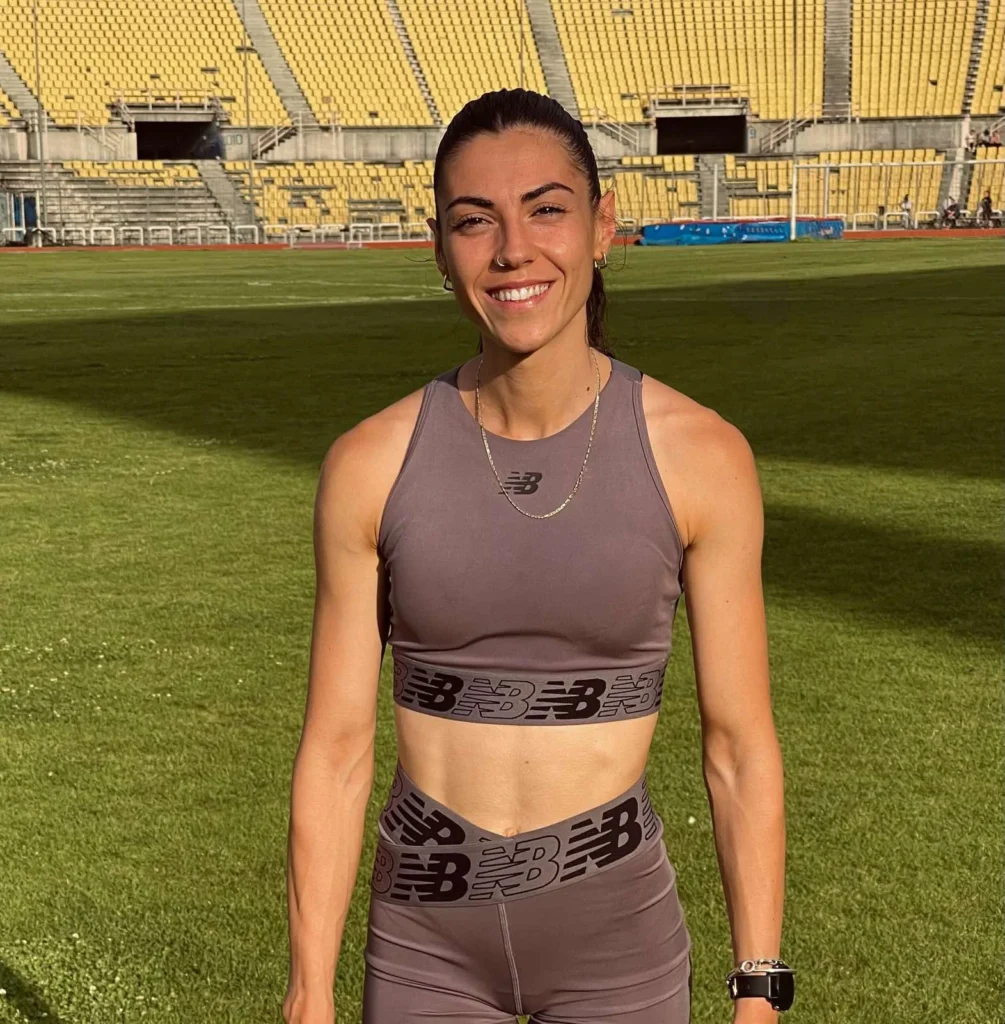
400m Hurdles Champion Olympia Nicoletta Karagianni, born October 17, 1998, is a Greek 400m hurdles champion. Olympia grew up in the athletic field, training and competing with her parents. Memories of her mother’s competitions, the thrill of seeing her medals, and the values her parents passed on to her motivated her to pursue sports. Her parents’ presence in the stands was a source of joy and inspiration, while her mother’s invaluable advice about not letting stress affect her performance guided her throughout her life. Her athletic career was remarkable, with a personal best time of 58.32 seconds in the 400m hurdles. Olympia has represented Greece at international competitions, including the Balkan Championships, European Championships, and World Championships for her age group, most notably the 2015 U18 World Championships in Cali, Colombia. She finished 15th and 10th at the 2019 U23 European Championships in Gävle, Sweden. This year was a significant year for her athletic career, as she successfully qualified for the Panhellenic Championships. She qualified for the U23 European Championships, setting new personal records, and winning the Panhellenic after a three-year absence and multiple injuries. She also enjoys short-distance hurdles, breaking personal records in the 100-meter hurdles with a time of 13.94 seconds and in the 60-meter hurdles with a time of 8.67 seconds. Beyond her athletic career, Olympia continued her studies at the Department of Physical Education and Sports Science at Aristotle University of Thessaloniki. She then pursued a Master’s degree in Sports Management and Development, furthering her knowledge of the sport she had envisioned. And it happened. Her love for sport and desire to be around like-minded people This is reflected in her parents’ vision and founding of Golden Marathon Tours. Today, Olympia is the third and youngest member of the company, working alongside two of the most important people in her life who inspired her and led her into the world of sport.
George Karagiannis
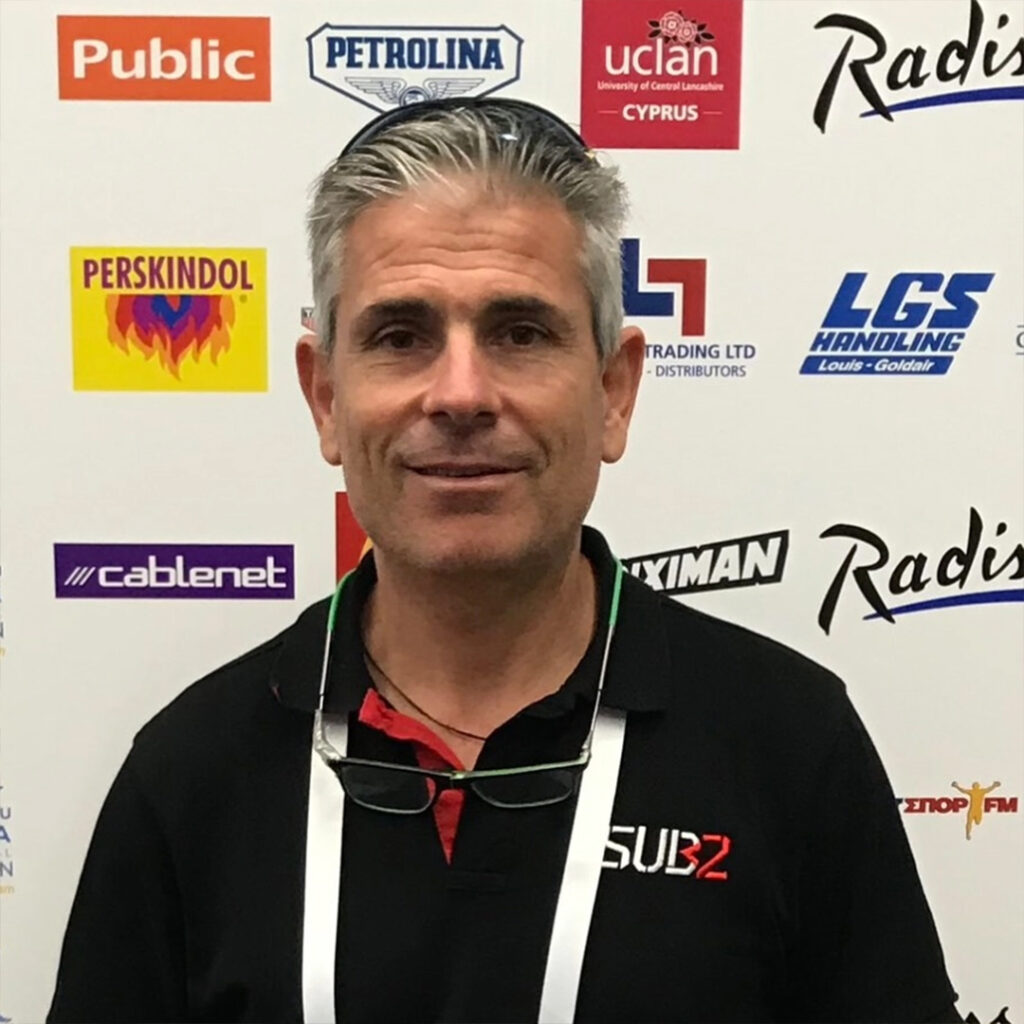
Road Marathon Champion Georgios Karagiannis is a Greek marathon and long-distance road race champion. He attended the Greek Navy’s Permanent Officers’ School from 1978 to 1981. After graduation, he served in the Greek Navy on destroyers and minesweepers until 1984. In 1985, he was transferred to a NATO base in Naples, Italy, where he remained until 1987. This move to Naples marked a significant milestone in his athletic career, ushering in a decade of success. Athletic Career In parallel with his military career, he displayed a talent for sports from a young age, particularly in classical sports and long-distance running, both of which he loved. His first victories in the 5- and 10-kilometer races at the military school attracted the attention of renowned coaches, prompting him to begin more systematic training, eventually earning a spot on the national team. However, the strict regulations of the Navy posed an insurmountable obstacle to his training. After returning from Naples and NATO, he struggled to continue his athletic career, but eventually left the navy. He returned to Italy, settled in Rome, and during this time competed for the historic club FAZZI BATTAGLIA. He won the Italian Club Championship in road running three times and was runner-up at the 1988 Italian Marathon Championship in 2:18:31 in Milan. He competed in long-distance races, marathons, and cross-country races from youth to men. His career honors include: Balkan Gold Medal on the Rough Track Greek Champion in the first Panhellenic Half Marathon (1995) Participating in the Balkan Games, Mediterranean Games, World Championships, and World Marathon Championships. He also won major victories in classic road cycling and marathon races in Greece and Italy, including: Vivicittà, Stramilano, Spaccanapoli, Matesina, Saint Moritz Classic, Castelbuono, Lago di Garda, Cinque Mulini, and Le Figaro. Top Performances and Records Some of his best performances and accolades include: Boston Marathon (1988): 2:20, 13th place Chicago Marathon (1988): 2:20:52, 21st place Roma-Ostia Half Marathon (1991): 1:03:38, 7th place (second best Greek all-time) Turin Marathon (1992): 2:16:07 (personal record) Hamburg Marathon (1992): 2:16:17, 3rd place Las Vegas Marathon (1997): 2:17:11, 5th place Bangkok Marathon (1996): 2:28, 3rd place After the Championships After his racing career ended, George Karagiannis became actively involved in organizing various races. He held the following positions: Technical Director of the Alexander the Great Marathon and the Thessaloniki Night Marathon Director of the Limassol Marathon Marketing and Promotion Manager at AIMS (International Association of Marathons and Distance Races) from 2010 to 2016 In 2014, he and his wife, former Greek track and field champion Eleftheria Papadopoulou, co-founded Golden Marathon Tours. Recognizing the rapid growth of running worldwide and the gap in specialized sports tourism support, they established a company focused on sports tourism. Golden Marathon Tours specializes in comprehensive travel packages for major marathons and sporting events worldwide, with a particular focus on the six Abbott World Marathon Majors. The company offers specialized tour guides, guaranteed entry, and accommodations to ensure runners from around the world have the perfect race experience.
Efi Papadopoulou
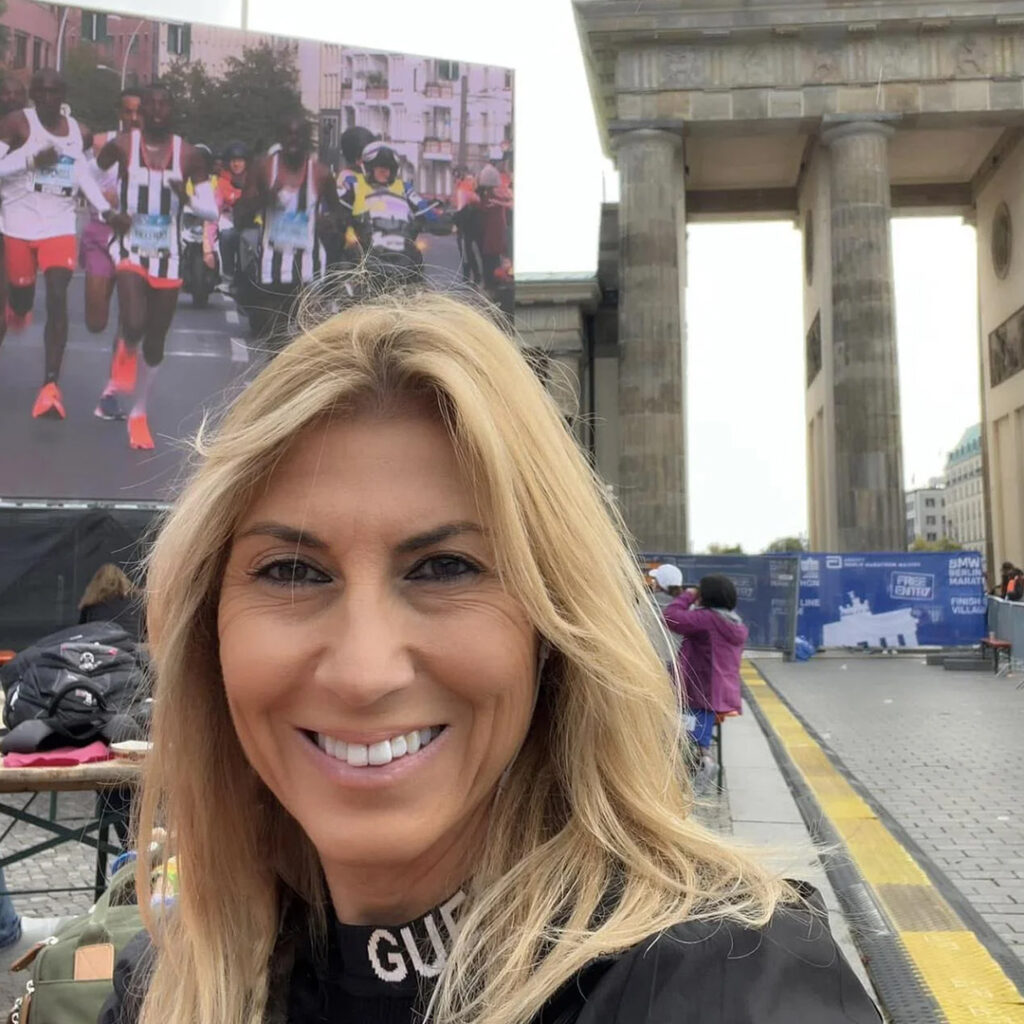
Athletics Champion Elefteria Papadopoulou is a Greek track and field champion from Thessaloniki. She graduated from the Department of Physical Education and Sports. She excelled in the 400- and 800-meter races. Throughout her athletic career, she competed successfully in Panhellenic and Balkan competitions in all age groups, from Pankorasids to women, in both outdoor and indoor track and field. In 1994, at the age of 24, she prematurely retired from competition and championships to devote herself to raising her two daughters, Corina and Olympia. However, in 2003, after a ten-year hiatus, she returned to athletics at the age of 34, with dreams of competing at the 2004 Athens Olympics. Upon her return, she achieved remarkable success with the national team, winning the 4×400-meter relay in both the outdoor and indoor events. The greatest achievement of her career came at the 2004 World Indoor Championships in Budapest. She placed sixth in the world in the women’s 4x400m relay, joining Chrissa Kuntenoudi, Georgia Koumnagi, and Fani Chalgia. The Greek team set a national record of 3:29:23, a record that still stands today. Unfortunately, her dream of competing at the 2004 Olympics in Athens was not fulfilled due to an injury that prevented her from joining the 4x400m relay team. However, she continued competing for another year, highlighting her sixth-place finish in the 4x400m relay at the 2005 European Indoor Championships in Madrid. After the Championships After retiring from athletics, Eleftheria Papadopoulou became a coach, working with athletes until 2014. At the same time, she continued her amateur training and participated in road races, including both asphalt and mountain marathons. The couple, along with her husband, George Karagiannis, a former marathon champion, founded Golden Marathon Tours, a company specializing in organizing trips and excursions for runners to major international marathons. With a special focus on the six Abbott World Marathon Majors, She also made history by becoming the first Greek woman to complete all six Abbott World Marathon Majors in just 26 months. Her journey began in the 2016 Tokyo Marathon and ended with the prestigious Boston Marathon. Beyond road running, she excelled in mountain running, having completed the Olympia Marathon, one of the most difficult mountain races in Greece, twice. Eleftheria Papadopoulou is a renowned figure in Greek sports, having made significant contributions to both athletics and the popularization of running in Greece.